


Are you tired of constantly throwing away spoilt fruits and vegetables? Want to save money on groceries and reduce food waste? Look no further than a Food Dehydrator! This handy kitchen appliance uses low heat and air circulation to remove moisture from food, preserving it and extending its shelf life. Not only does this mean fewer trips to the grocery store, but it also allows you to enjoy your favourite fruits and veggies all year round. Say goodbye to wilted greens and mouldy berries, and hello to a longer-lasting and healthier food supply. Let’s get started!
Preparing Your Food for Dehydration
The initial step in the dehydration process involves meticulous preparation of fruits and vegetables, ensuring they are primed for the food dehydrator. This preparation stage is crucial, as it directly influences the quality and efficiency of dehydration. The process begins with a thorough washing to remove any surface contaminants or residues.
Following this, certain fruits and vegetables may require peeling to eliminate tough outer skins that could affect the texture and drying time. The next stage involves slicing the produce into uniform pieces. Achieving even thickness in each slice is imperative, as it promotes consistent drying rates across all pieces, preventing the occurrence of partially dehydrated foods with varying moisture levels. This uniformity is essential for maximising the efficiency of the food dehydrator and ensuring the final product has a consistent quality and texture.
By adhering to these preparatory steps, individuals can enhance the dehydration process, resulting in optimally preserved fruits and vegetables. It’s a methodical approach that lays the foundation for successful dehydration, paving the way for the creation of nutritious and long-lasting dried foods.
Preparing Fruits and Vegetables for Dehydration
Begin by selecting fresh and ripe fruits and vegetables for dehydration. The quality of the produce directly impacts the final result, so choosing items free from bruises or blemishes is essential.
- Wash the produce thoroughly under running water to remove any dirt, pesticides, or residues. This step ensures that the fruits and vegetables are clean and safe for consumption post-dehydration.
- For certain fruits and vegetables, peeling may be necessary to remove tough outer skins that could affect the texture and drying time. However, in some cases, keeping the skin on can add fibre and nutrients.
- Slice the produce into uniform pieces, aiming for a thickness of approximately 6mm. Consistency in size and thickness promotes even drying and prevents some pieces from dehydrating faster than others.
- Certain types of produce may benefit from pre-treatment methods to enhance colour retention and prevent oxidation. Fruits like apples, bananas, and pears can be soaked in a solution of lemon juice and water or an ascorbic acid mixture.
- For vegetables prone to enzymatic browning, such as potatoes and artichokes, a brief blanching in boiling water followed by a plunge into ice water can halt enzyme activity.
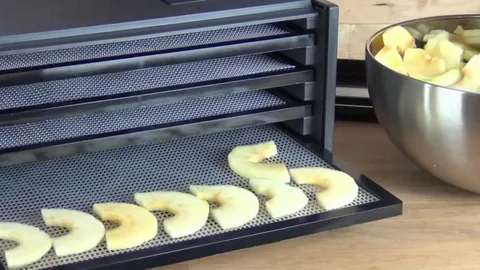
- Arrange the prepared slices on the dehydrator trays in a single layer, ensuring that there is ample space between them for air to circulate freely. Overcrowding can lead to uneven drying.
- Lastly, it’s important to clean the dehydrator trays after each use to maintain hygiene and prevent any cross-contamination or flavour transfer between different dehydration sessions.
Optimal Dehydration Temperatures And Times
Determining the correct dehydration temperatures and times is essential for achieving the desired quality in preserved fruits, vegetables, herbs, and spices. Each category of food necessitates a specific temperature setting that best suits its moisture content and texture, ensuring that the dehydration process is both efficient and preserves the nutritional value of the food. For instance, fruits and vegetables generally require a temperature range of 52 to 58 degrees Celsius.
This range effectively removes moisture while retaining the vibrant colours and natural sugars, resulting in a product that is both visually appealing and flavourful. Herbs, being more delicate, demand a lower temperature setting, typically between 35 to 46 degrees Celsius. At this range, the essential oils and flavours are preserved without causing the leaves to turn brown or lose their aromatic properties. Spices, similar to herbs, benefit from this gentler approach, ensuring their potency is maintained.
The duration of dehydration varies, depending on the thickness of the slices and the initial water content of the produce. Denser fruits and vegetables might require longer periods, sometimes extending up to several hours, to achieve the perfect level of dryness without becoming too brittle. Monitoring the progress of dehydration is recommended to ensure the final product meets the desired standards of taste and texture.
Creative Ideas for Dehydrated Fruits and Veggies
Transform dehydrated apples and bananas into crunchy crisps for a healthy alternative to chips. These can be seasoned with cinnamon or nutmeg for added flavour. Create a colourful trail mix by combining a variety of dehydrated fruits such as berries, mangoes, and pineapples with nuts and seeds. This mix serves as an excellent energy booster during outdoor activities or as a snack on the go.
- Make your own herbal teas by dehydrating slices of citrus fruits, such as lemons, limes, and oranges, along with herbs like mint or chamomile. Store these in airtight containers and steep in hot water for a refreshing homemade tea.
- Prepare vegetable crisps from dehydrated beetroot, carrot, and sweet potato. Season with sea salt, paprika or any spice blend of your choice for a savoury treat.
- Craft homemade potpourri by dehydrating floral-edible petals alongside slices of citrus and spices such as cinnamon sticks and star anise, creating a natural fragrance for your home.
- Utilise dehydrated vegetables like tomatoes, peppers, and onions to make a quick and flavourful pasta sauce. Simply rehydrate with water, blend to the desired consistency, and season to taste.
- Incorporate dehydrated fruits into breakfast cereals or porridge for added sweetness and texture, enriching your morning meal with natural sugars and fibres.
- Produce your own fruit leather by pureeing dehydrated fruits and spreading the mixture thinly before undergoing a final dehydration process, resulting in a chewy and nutritious snack for all ages.
- Assemble a gourmet cheese platter complemented by an assortment of dehydrated fruits, offering a delightful contrast of flavours and textures, perfect for entertaining guests.
Storing Your Dehydrated Foods Properly With Food Dehydrators
Ensuring that dehydrated fruits, vegetables, herbs, and spices are stored correctly is paramount to preserving their freshness, flavour, and nutritional value over time. The ideal storage solution involves airtight containers or vacuum-sealed bags, which prevent the ingress of moisture and air, the two primary catalysts for spoilage and degradation of dehydrated foods. These containers should then be placed in cool, dark locations, such as larders or cupboards, away from direct sunlight and fluctuations in temperature, which can compromise the integrity of the dehydrated products.
For enhanced preservation, moisture or oxygen absorbers can be added to the storage containers, offering an additional layer of protection against factors that could potentially shorten the shelf life of the dehydrated foods. This meticulous approach to storage not only extends the duration for which these foods maintain their quality but also ensures that the effort put into dehydrating and preparing them is not in vain, allowing for their enjoyment long after the dehydration process has been completed.
The specifics of these preservation techniques, discussing various container options and moisture-absorbing materials that are effective in safeguarding dehydrated foods. This knowledge will enable you to harness the full potential of food dehydrators and their capacity to promote sustainable, long-lasting food consumption habits.
Dehydrating Herbs and Spices for Extra Flavour
In the realm of culinary arts, the preservation of herbs and spices through dehydration emerges as a method favoured for its simplicity and effectiveness. The process entails the gentle removal of moisture from fresh herbs, safeguarding their aromatic compounds and essential oils, which are the keystones of their flavour profile. Unlike the drying of fruits and vegetables, herbs and spices are dehydrated at lower temperatures, typically ranging from 35 to 46 degrees Celsius. This careful approach ensures that the delicate flavours and aromas are not compromised during dehydration.
The versatility of dehydrated herbs and spices in culinary applications is noteworthy. They can be effortlessly incorporated into a variety of dishes, from soups and stews to marinades and dressings, imparting a depth of flavour that is both subtle and profound. Furthermore, the process of grinding dehydrated herbs into finer particles can amplify their flavour, making them a potent ingredient in the creation of spice mixes and rubs.
An additional advantage of dehydrating herbs and spices lies in their extended shelf life. When stored correctly in airtight containers and placed in cool, dark environments, they retain their potency over a considerable duration, offering culinary enthusiasts a reliable source of flavour throughout the year.
Adding Crunch to Your Snacks with the Best Food Dehydrator
The allure of achieving the perfect crunch in snacks without the drawbacks of deep frying has made the Best Food Dehydrator an indispensable appliance in many kitchens. Its ability to transform simple fruits and vegetables into delightfully crunchy treats speaks to its versatility and efficiency. For individuals who cherish the texture of crispness in their snacks, a food dehydrator presents an excellent method for crafting homemade crisps from a variety of produce. From the sweet tang of apple crisps to the earthy goodness of kale chips, and the subtle flavours of courgette fries, the food dehydrator excels in producing snacks that satisfy the craving for crunchiness.
The process involves thinly slicing the chosen fruits or vegetables and laying them out on the dehydrator’s trays. The key to achieving the desired crunchiness lies in the uniformity of the slices and the optimal dehydration temperature specific to each type of produce. The dehydrator then circulates warm air around the food, gradually removing moisture while retaining the produce’s natural flavours and nutritional content. This method not only preserves the health benefits of the snacks but also provides a guilt-free alternative to commercially available fried snacks, which often contain excessive oils and fats.
Moreover, the food dehydrator’s capacity to create these snacks without the need for additives or preservatives further accentuates its value in promoting a healthier lifestyle. Through the simple yet effective dehydration process, it opens up a world of possibilities for incorporating more fruits and vegetables into one’s diet in an enjoyable and convenient manner.
Making Dehydrated Meal Kits for Convenient and Healthy Eating
The creation of dehydrated meal kits serves as a testament to the ingenuity offered by food-dehydrators, enabling individuals to assemble ready-to-use, nutritious meals that require minimal preparation. These kits comprised of dehydrated fruits, vegetables, and herbs, embody the essence of convenience and health, offering a quick solution to the often time-consuming process of meal preparation. The process of rehydration, which merely involves adding water or broth, reinvigorates these dehydrated components, transforming them into a meal that is both satisfying and rich in nutritional value.
The practicality of dehydrated meal kits is especially evident in scenarios where time or resources are limited. For adventurers and outdoor enthusiasts, these kits provide a lightweight and space-efficient meal option that can easily be reconstituted on the trail or at camp, ensuring a hearty and nutritious meal is always within reach. Similarly, for those navigating the hustle and bustle of daily life, these meal kits stands as a beacon of convenience on busy weeknights, offering a healthy alternative to takeaways or processed foods.
Conclusion
In summary, the utilisation of a Food Dehydrator presents a multifaceted approach to preserving fruits, vegetables, herbs, and spices, offering a pathway to extend their shelf life whilst maintaining nutritional value and flavour. This blog post has traversed the essential stages of preparing produce for dehydration, highlighted the optimal conditions for dehydrating various types of food, and illuminated the creative possibilities that dehydrated foods offer to culinary enthusiasts.
FAQs
What is the ideal thickness for slicing fruits and vegetables before dehydrating?
For optimal dehydration, fruits and vegetables should be sliced to a uniform thickness of approximately 6mm. This consistency ensures even drying across all pieces, preventing any from being over or under-dehydrated compared to others. It’s a crucial step that directly impacts the efficiency of the food dehydrator and the quality of the dehydrated produce. 2
How long do Food Dehydrator last once stored properly?
When stored correctly in airtight containers or resealable bags, and placed in cool, dark locations, Food Dehydrator can last for up to 12 months while retaining their taste and nutritional value. The inclusion of moisture or oxygen absorbers in the storage containers can further extend their shelf life by preventing the degradation of the food quality over time.
Can you dehydrate different types of food at the same time?
While it is possible to dehydrate different types of food simultaneously, it is essential to group items with similar drying times and temperature requirements together. This practice avoids the issue of certain foods not being fully dehydrated while others might become overly dry. Additionally, be mindful of strong-flavoured foods that could potentially transfer their flavours to other foods in the dehydrator.
Is pre-treatment necessary for all fruits and vegetables before dehydrating?
Pre-treatment is not mandatory for all fruits and vegetables but is recommended for certain types to enhance the final outcome. Fruits like apples and pears benefit from an ascorbic acid dip to prevent browning, while vegetables like potatoes and carrots are often blanched to halt enzymatic activity that could spoil the food. Each type of produce may require a specific pre-treatment to ensure the best results in terms of flavour, texture, and colour retention.
| Other Good Articles to Read |
| blogs rain |
| cme blogspot |
| Garcias Blogs |
| Yyc Blogs |
| Guiade Blogs |
| Blogs-Hunt |
| Impact-Blog |
| Smarty Blogs |
| Ed Blog |
| Mo Blogs |
| Blogs Em |
| blogs t |
| Related Business Listings |
| Contact Directory |
| Local Business Profiles |