


When it comes to constructing retaining walls in Brisbane, one material that stands out for its durability and aesthetic appeal is sandstone. Sandstone retaining walls in Brisbane are popular among homeowners and landscapers due to their robustness and natural beauty. Investigating the robustness of sandstone retaining walls Brisbane is indeed a wise choice for anyone looking to enhance their property’s landscape while ensuring long-term stability.
Understanding The Basics Of Sandstone Retaining Walls
Sandstone retaining walls are constructed from sandstone blocks, a natural sedimentary rock of sand grains bound together over millennia. Sandstone’s inherent strength and longevity make it an exemplary material for retaining walls, capable of withstanding considerable soil pressure and water impact over prolonged periods.
Sandstone’s formation process involves the compaction and cementation of sand particles, contributing to its remarkable durability and resistance to weathering. These walls serve a functional purpose in preventing soil erosion, managing water runoff, and adding an element of natural beauty to the environment.
Sandstone’s versatility, with its varied colours and textures, allows for the creation of visually appealing structures that blend seamlessly with the natural surroundings or stand out as a focal point in the landscape design.
Advantages Of Choosing Sandstone For Retaining Walls
Sandstone’s inherent beauty adds a timeless and elegant charm to landscapes. Its natural variation in colour and texture ensures that each wall is unique, enhancing the visual appeal of its surrounding area.
Durability and Strength
Thanks to its formation over millions of years, sandstone possesses incredible durability, making it capable of withstanding harsh weather conditions. Its strength makes it a reliable choice for supporting soil and landscape levels.
Natural stone
Sandstone is a natural stone, so it is a more environmentally friendly option than manufactured materials. Its extraction and processing have a lower environmental impact, making it a sustainable choice for conscious property owners.
Versatility in Design
The variety of colours and textures available in sandstone allows for flexibility in design. Whether the aim is to match the existing landscape or create a standout feature, sandstone adapts well to various aesthetic requirements.
Increases Property Value
Besides its functional role in preventing soil erosion, a well-designed sandstone retaining wall can significantly enhance a property’s overall value. Its durability and aesthetic appeal attract potential buyers, making it a worthwhile investment.
Design Considerations For Sandstone Retaining Walls
A meticulous approach to several key factors is essential when designing sandstone retaining walls. Firstly, the inclination of the land plays a pivotal role. The steeper the slope, the more intricate the engineering requirements to counterbalance soil pressure. Additionally, the type of soil present on the property significantly influences the wall’s foundation and drainage solutions.
A professional with expertise in this field should assess the site to determine the optimal configuration of the wall, ensuring it harmonises with the landscape’s natural topography. This includes selecting sandstone blocks’ appropriate size and shape to achieve structural integrity and aesthetic objectives.
Engaging a professional in the early stages of design helps address potential challenges, such as access to the site and integrating the wall with existing structures. This comprehensive approach ensures that the sandstone retaining wall is a functional and attractive landscape element.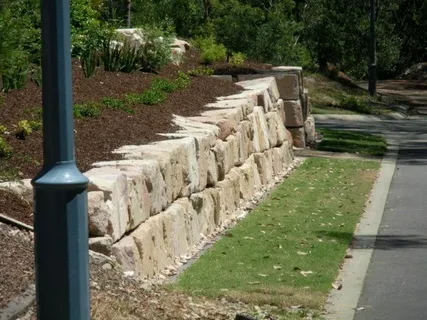
Navigating The Installation Process Of Sandstone Walls
Levelling and compacting the soil form the next critical steps, creating a stable base for the placement of sandstone blocks. Precision in arranging these blocks is paramount, as it influences the wall’s aesthetic quality and structural integrity.
An effective drainage system, designed to alleviate water pressure that could compromise the wall’s stability, is integral to the construction. This involves incorporating weep holes or drainage pipes behind the wall to facilitate the escape of accumulated water.
Attention to detail during the laying of sandstone blocks, coupled with a strategic approach to drainage, ensures the successful installation of sandstone walls that are visually striking and resilient against the elements. Proper execution of these steps by skilled professionals is essential in realising the full potential of sandstone as a robust and durable material for retaining walls in Brisbane.
Cost Analysis Of Sandstone Walls Brisbane
The investment required for sandstone walls Brisbane can fluctuate and be influenced by several determining factors. Primarily, the dimensions of the wall significantly affect the overall cost, with more giant constructions naturally demanding a higher financial commitment due to the increased volume of materials and labour involved.
The quality and origin of sandstone blocks also play a pivotal role; premium-grade stones, known for their superior durability and aesthetic qualities, may come with a heftier price tag. Additionally, the design complexity can impact costs; intricate patterns or incorporating unique architectural features necessitate skilled craftsmanship, further elevating expenses.
Obtaining comparative quotes from experienced contractors ensures a competitive rate while maintaining the desired quality. Factors such as access to the site, preparation needs, and any potential challenges unique to the landscape may also influence the final quotation.
Maintenance Tips For Sandstone Retaining Walls
Keeping sandstone retaining walls clean from dirt, grime, and moss is essential for maintaining their aesthetic appeal. Gentle washing with a soft brush and a mild detergent solution can prevent the accumulation of unwanted elements without damaging the stone.
Protect from weathering
Applying a sealant is advisable to protect sandstone from weathering and water absorption. This process should be carried out every two to five years, depending on the wall’s exposure to harsh weather conditions and the quality of the sealant used.
Effective drainage
Adequate drainage is crucial to prevent water build-up behind the wall, which can lead to pressure damage. Ensuring drainage systems remain clear and functional will protect the wall’s structural health.
Monitoring for Cracks
Periodic inspections for any cracks or signs of movement in the wall can catch issues early before they escalate into more significant problems. Early detection allows for timely repairs to prevent further damage.
Check for erosion or damage.
Checking these for erosion or damage is vital if the wall includes mortar joints. Repointing areas where the mortar has worn away helps preserve the wall’s stability and appearance.
Common Challenges And Solutions In Building Sandstone Walls
Several challenges may arise in the construction of sandstone retaining walls, including the structure settling, inadequate drainage, and erosion. Settling occurs when the foundation is not prepared correctly, leading to an uneven weight distribution and potential wall collapse. To combat this, ensuring a solid and level foundation is paramount.
Adequate drainage is essential to prevent water accumulation behind the wall, which can exert pressure and cause structural failure. Incorporating efficient drainage solutions, such as weep holes or drainage pipes, can mitigate these risks. Erosion, particularly on sloped terrains, can undermine the wall’s foundation.
Addressing erosion involves:
- Strategically placing the wall, use.
- Theitable backfill materials, and impl.
- Ground stabilisation measures include planting vegetation. Engaging with expert
Customisation Options For Sandstone Retaining Walls
Sandstone retaining walls offer various customisation options, catering to diverse preferences and requirements. The flexibility in the selection of size and shape allows these walls to seamlessly integrate into any landscape design, from gentle curves that mimic the natural terrain to sharp, angular constructs for a more contemporary appearance.
Additionally, the rich palette of colours and textures available in sandstone ranges from warm, earthy tones to soft, muted hues, creating unique and personalised aesthetics. Property owners can opt for uniform blocks to achieve a sleek, cohesive look or combine different sizes and colours of sandstone blocks for a more eclectic and textured effect.
This versatility extends to the wall’s finish, where options include rough, natural split faces for a rugged, organic feel or smooth, sawn surfaces for a refined, polished appearance. Customisation extends beyond the visual aspects, allowing for tailored solutions that address specific structural and environmental considerations.
Ensuring Durability: Best Practices
Adherence to several best practices is crucial to ensuring the longevity of sandstone retaining walls. Proper drainage systems are pivotal in maintaining the wall’s structural integrity, preventing water from accumulating behind the structure and applying unnecessary pressure.
Regular inspection and maintenance routines are essential, focusing on identifying and remedying any potential issues, such as cracks or erosion, at an early stage. Applying a suitable sealant to the sandstone can offer additional protection against the elements, reducing the rate of weathering and extending the wall’s lifespan.
Additionally, carefully selecting high-quality sandstone blocks ensures that the retaining wall has a solid foundation from the start, significantly enhancing its durability. Engagement with skilled professionals who deeply understand local conditions and materials can also provide invaluable insights and craftsmanship, ensuring the retaining wall remains robust and stable.
Environmental Impact Of sandstone block retaining walls Brisbane
Extracting sandstone involves quarrying, which can significantly alter the natural landscape. However, advancements in quarrying techniques aim to reduce environmental disruption, ensuring a more sustainable extraction process of sandstone block retaining walls Brisbane.
Transportation
The movement of sandstone blocks from quarries to construction sites consumes fuel and emits CO2. Efforts to source sandstone locally in Brisbane minimise these impacts, promoting a greener construction practice.
Durability
Unlike less durable materials, sandstone’s longevity reduces the need for frequent replacements. This enduring nature diminishes the demand for resources and lessens environmental strain.
Natural Composition
As a natural material, sandstone does not involve complex manufacturing processes that contribute to pollution. Its extraction and use exert far less environmental impact than synthetic materials.
Recyclability
Sandstone’s recyclability further enhances its environmental credentials. Unused or replaced blocks can be repurposed, limiting waste and encouraging sustainable practices within the construction industry.
Habitat Disruption
While quarrying can disrupt local ecosystems, responsible management and rehabilitation plans aim to restore and preserve biodiversity, mitigating long-term environmental impacts.
Role Of Professional Contractors In Constructing Sandstone Walls
A professional contractor’s ability to foresee potential issues and address them proactively is crucial in preventing future complications, thereby safeguarding the investment made in the project. Furthermore, their skill in crafting aesthetically pleasing designs that enhance the natural beauty of sandstone while ensuring structural integrity cannot be understated.
Engaging with a contractor with a track record of successful projects in Brisbane adds reassurance. It provides peace of mind that the sandstone retaining wall will be built to last, blend seamlessly with the landscape, and meet the owner’s expectations in terms of both function and form.
Sandstone Retaining Walls Vs. Other Materials
Several distinctions become apparent when comparing sandstone retaining walls with alternatives such as concrete or timber. Sandstone’s natural durability offers a lifespan that often surpasses timber’s, which may succumb to rot or insect damage over time. Unlike concrete, which can appear monolithic and intrusive, sandstone blends harmoniously with the landscape, providing an aesthetic advantage.
Moreover, sandstone’s natural thermal properties ensure it does not expand or contract as drastically as concrete under Brisbane’s varying temperatures, reducing the risk of cracking. Eco-friendliness is another factor where sandstone excels; it is more sustainable than concrete, requiring a significant amount of energy and timber and necessitating tree felling.
Conclusion
In summary, the choice of sandstone walls Brisbane represents a strategic decision for enhancing landscapes with an aesthetically appealing and durable structure. These walls boast many benefits, including strength, design flexibility, environmental sustainability, and the potential to elevate property value. With insights into their fundamental attributes, installation requisites, and care practices, homeowners can confidently opt for sandstone as the preferred material for their retaining solutions, ensuring a blend of longevity and elegance in their outdoor spaces.
FAQs
What Is The Lifespan Of Sandstone Retaining Walls In Brisbane?
Sandstone’s durability ensures that these retaining walls can last several decades, provided they are well-maintained and regularly inspected for signs of wear or damage.
How Does The Cost Of Sandstone Retaining Walls Compare To Other Materials?
While initial investment costs for sandstone retaining walls may be higher than those of some other materials, their long-term durability and minimal maintenance requirements often make them more cost-effective.
Is It Feasible For Individuals To Construct Sandstone Walls Brisbane Themselves?
Ambitious individuals may construct a sandstone walls Brisbane for smaller projects. However, for larger, more complex structures, the expertise of professional contractors is crucial to ensure structural integrity and compliance with local building codes.
Can Sandstone Retaining Walls Be Erected On Any Soil?
Yes, sandstone retaining walls are versatile and can be constructed on various soil types. Correct design and professional installation are crucial to ensuring the wall’s stability and durability on any terrain.
What Maintenance Is Required For Sandstone Retaining Walls?
These walls demand minimal maintenance, typically involving regular cleaning to remove dirt and vegetation and periodic checks for any structural issues that may need addressing to preserve their condition.
| Other Good Articles to Read |
| Niche Blogs Connect |
| Blogs 97 |
| Blog Stitution |
| Blogs Unplugged |
| Blogs Cotch Rouge |
| Blog Signatr |
| Blog Sintonias |
| Blog Zilla |
| Consumer Forums |
| Finance Forums |
| G Blogs |
| Too Blog |
| Related Business Listings |
| Contact Directory |
| Local Business Profiles |