


Are you tired of dealing with traditional lead-acid car battery chargers that take forever to juice your vehicle? It’s time to switch gears and revolutionize your charging experience with the cutting-edge technology of a lithium car battery charger! Say goodbye to slow charging times and hello to a faster, more efficient way to keep your ride powered up and ready for the road. Let’s dive into how these innovative chargers can transform how you maintain your vehicle’s battery.
Benefits of Using Lithium-Car Battery Chargers
Lithium-car battery chargers offer many benefits that make them stand out in automotive maintenance. These chargers are known for their rapid charging capabilities, allowing you to get back on the road faster than ever. Say goodbye to long wait times and hello to convenience at your fingertips.
Lithium-car battery chargers are lightweight and compact, making them easy to store and transport wherever you go. No more lugging around bulky equipment – you can enjoy portability without sacrificing power with a lithium charger. Furthermore, these innovative chargers boast impressive durability and longevity compared to traditional lead-acid options. Invest in a lithium-car battery charger today and experience the difference firsthand!
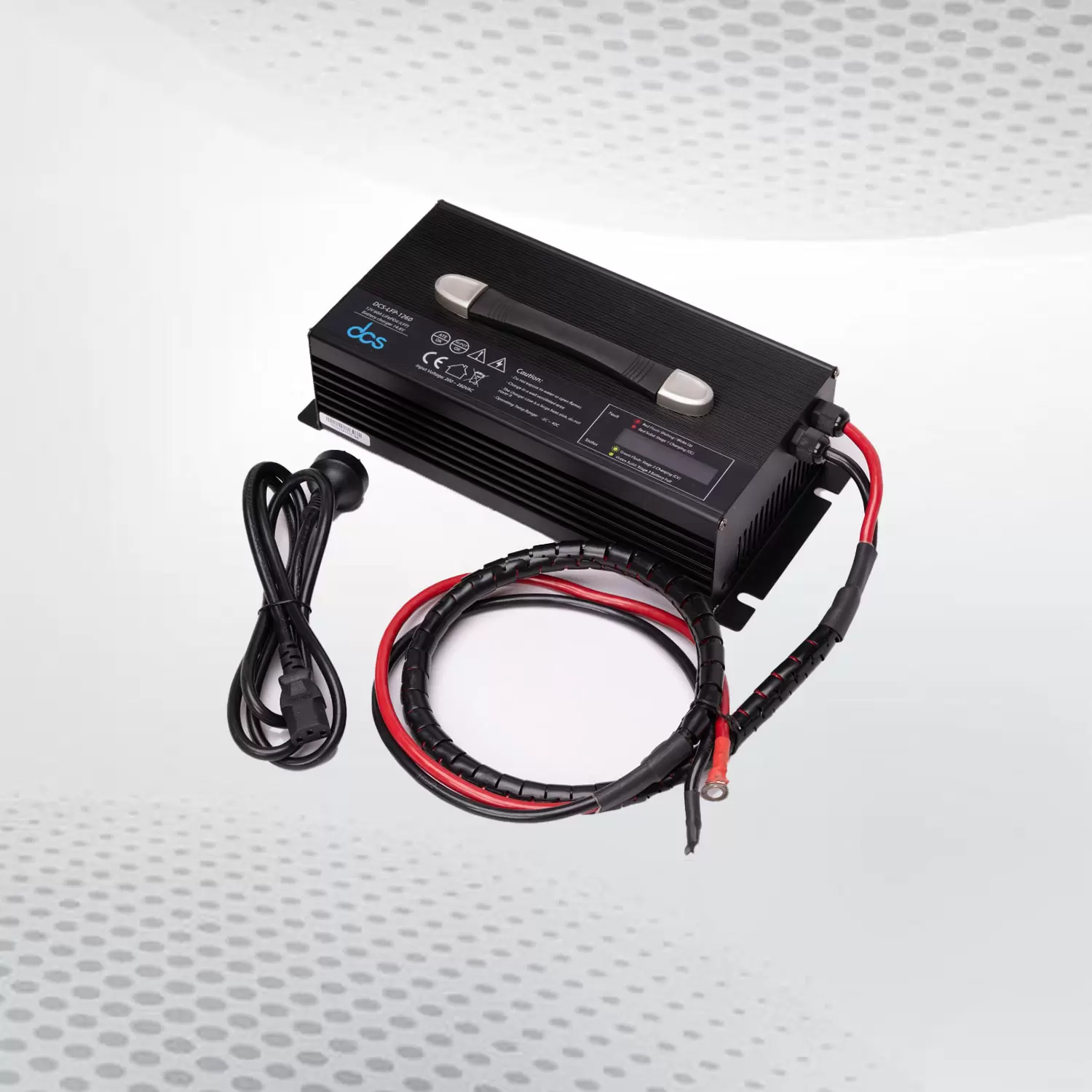 Understanding Car Battery Charger Lithium Technology
Lithium technology has revolutionized the way we charge car batteries. Unlike traditional lead-acid chargers, lithium-car battery chargers are lightweight and compact, making them convenient for on-the-go use. The advanced technology allows for faster charging times and longer battery life, ensuring your vehicle is always ready to hit the road. With lithium-ion car battery chargers, you can say goodbye to overcharging concerns.
These smart chargers have built-in safety features like overcharge protection, short-circuit prevention, and temperature monitoring to keep your battery in optimal condition. Understanding how this technology works can help you make informed decisions when selecting the right charger for your vehicle. Investing in a car battery charger lithium means investing in efficiency and reliability. Stay ahead of the game by embracing this cutting-edge technology that offers convenience and peace of mind to keep your vehicle powered up.
Comparing Lithium vs. Lead-Acid Chargers
When it comes to choosing a car battery charger, the debate between lithium and lead-acid chargers is hot. Lithium chargers are known for their lightweight and compact design, making them easy to transport and store. On the other hand, lead-acid chargers are bulkier and heavier but have been around longer in the market.
In terms of charging efficiency, lithium chargers tend to charge faster compared to lead-acid ones. You can get back on the road quicker with a lithium charger. However, lead-acid chargers are generally more affordable upfront than their lithium counterparts. Your choice between lithium and lead-acid chargers will depend on budget, convenience, and charging speed. Both types have pros and cons; it’s all about finding what works best for your needs.
Types of Lithium-Car Battery Chargers
There are several different types of lithium-car battery chargers available on the market to suit various needs. Portable lithium-car battery chargers are compact and convenient for on-the-go charging, perfect for emergencies or camping trips. They offer flexibility and ease of use.
On the other hand, wall-mounted lithium-car battery chargers provide a more permanent solution for charging your vehicle at home or in a garage. These chargers often come with advanced features like Wi-Fi connectivity for monitoring your charging status remotely.
Choosing the Right Li Ion Car Battery Charger
When it comes to choosing the right li ion car battery charger, there are a few key factors to consider. First and foremost, assess the charger’s charging capacity to ensure it is compatible with your vehicle’s battery size. Additionally, look for chargers that offer smart technology features such as overcharge protection and temperature monitoring for safe and efficient charging.
Consider the charger’s portability if you often need to charge your car battery on the go. Compact and lightweight chargers are ideal for travel or emergencies. Check for compatibility with different types of batteries to ensure versatility in case you have multiple vehicles or devices that require charging. Take your time researching and comparing options before making a decision on which lithium-ion car battery charger best suits your needs.
Installation and Setup Guidelines
Proper installation and setup of a lithium-car battery charger are essential to ensure efficient and safe operation. Here are some guidelines to follow:
Read the Manual
Before installation, thoroughly read the manufacturer’s manual and follow their instructions. This includes understanding the charger’s specifications, recommended installation procedures, and safety precautions.
Choose a Suitable Location
Select a well-ventilated and dry location for installing the charger. Ensure the area is free from direct sunlight, moisture, and extreme temperatures, which can affect the charger’s performance and longevity.
Mounting the Charger
Securely mount the charger using appropriate hardware to prevent vibration or movement during vehicle operation. Ensure it is installed where air can freely circulate the charger to aid in cooling.
Connect to Power
Follow electrical wiring guidelines provided by the manufacturer to connect the charger to a suitable power source. Use the correct gauge of wiring and ensure proper grounding to prevent electrical hazards and ensure reliable operation.
Verify Compatibility
Ensure the charger matches your vehicle’s electrical system and lithium-ion battery specifications—Double-check voltage ratings and charging capacities to avoid damaging the battery or causing operational issues.
Testing and Activation
After installation, thoroughly inspect the connections and verify that all components are securely fastened. Activate the charger according to the manufacturer’s instructions and monitor initial charging cycles to ensure proper functionality.
Safety Features and Considerations
When using a lithium-car battery charger, safety should always be a top priority. These chargers come equipped with various safety features and considerations to ensure smooth operation without any risk. Most lithium-ion car battery chargers have built-in protection mechanisms to prevent overcharging, overheating, and short circuits.
This not only protects the battery but also enhances its lifespan. Additionally, some chargers feature spark-proof technology and reverse polarity protection for added safety measures. It’s crucial to follow the manufacturer’s guidelines and avoid using damaged cables or adapters when charging your car battery with a lithium charger.
Monitoring and Maintenance Tips for Lithium Ion Car Battery Charger
Monitoring and maintaining your lithium ion car battery charger is crucial for longevity and performance. Regularly check the charger’s temperature during operation to ensure it doesn’t overheat. Also, monitor the battery’s status by checking the charging progress indicator. Also, inspect the connectors and cables for any wear or damage.
Clean them regularly to prevent buildup that could affect charging efficiency. When not in use, store your charger in a cool, dry place to avoid exposure to extreme temperatures. By following these simple monitoring and maintenance tips, you can maximize the lifespan of your lithium-ion car battery charger and keep it operating at peak performance levels.
Charging Techniques for Optimal Performance
The right techniques can significantly impact your lithium car battery’s performance. Always follow the manufacturer’s charging rates and voltage levels guidelines to ensure optimal results. This will help prevent overcharging or undercharging, which can harm the battery’s lifespan.
Additionally, consider using a smart charger specifically designed for lithium-ion batteries. These chargers often have temperature compensation and charge monitoring features to ensure a safe and efficient charging process. Properly maintaining the charging equipment and keeping it clean can also maximise performance.
Remember that consistency is key when charging your lithium car battery. Avoid frequent deep discharges as they can strain the battery cells. Instead, aim for regular top-up charges to maintain a healthy state of charge for optimal performance over time.
Troubleshooting Common Issues
Encountering issues with your lithium-car battery charger can be frustrating, but fret not, as common problems often have simple solutions. If your charger is not powering on, double-check the power source and connections to ensure everything is properly plugged in. It may seem obvious, but the simplest fix can sometimes solve the problem.
If your charger is connected correctly but still not charging your battery, inspect the cables for damage or loose connections. Sometimes, a faulty cable can prevent proper charging. Additionally, make sure to check if any error codes are displayed on the charger—these codes can provide valuable insight into what might be going wrong.
If you notice that your lithium-car battery charger is overheating during use, stop charging immediately and allow it to cool down before attempting to use it again. Overheating can indicate a malfunction or overload situation that needs to be addressed promptly for safety reasons.
Convenience of an Automotive Lithium Battery Charger
An automotive lithium battery charger truly stands out when it comes to convenience. Picture this: no more cumbersome cables or heavy chargers weighing you down. With a compact and lightweight design, these chargers are easy to carry around and store in your vehicle for on-the-go charging. Forget about waiting hours on end for your car battery to charge.
Lithium battery chargers boast fast charging capabilities that can have your battery fully juiced up in no time. This means less downtime and more time on the road without worrying about being stranded due to a dead battery. Additionally, many automotive lithium-battery chargers come equipped with smart features like automatic voltage detection and reverse polarity protection, making them convenient, safe, and user-friendly.
Conclusion
In conclusion, this guide equips automotive enthusiasts with the knowledge to leverage lithium-car battery chargers’ advanced capabilities effectively. By understanding the nuances of lithium battery technology, selecting the right charger, and adhering to proper installation and maintenance practices, users can enhance the efficiency and longevity of their vehicle’s power source. Emphasizing safety protocols and staying informed about technological advancements ensures a seamless charging experience, optimizing performance and reliability for modern automotive applications.
FAQs
What are the benefits of using a lithium car battery charger?
A lithium car battery charger offers faster charging times, lighter weight, longer lifespan, and higher efficiency than traditional lead-acid chargers.
How does a lithium-car battery charger work differently from a lead-acid charger?
Lithium-car battery chargers use advanced technology to deliver consistent power levels without overcharging or damaging the battery cells, unlike lead-acid chargers.
What types of lithium-car battery chargers are available in the market?
There are various lithium-car battery chargers, including portable chargers, wall-mounted units, multi-bank chargers for multiple batteries, and smart chargers with advanced monitoring features.
How do I choose the right li-ion car battery charger for my vehicle?
When selecting a lithium-ion car battery charger, consider factors like voltage compatibility, charging speed, safety features such as overcharge protection and temperature control, and your specific needs.
Are there any safety considerations when using a lithium-ion car battery charger?
Always follow manufacturer guidelines for installation and operation, avoid overcharging or exposing the unit to extreme temperatures, and regularly inspect cables for wear or damage to ensure safe usage.
What maintenance tips can help prolong the life of my automotive lithium-battery charger?
Clean the terminals and connectors on both the charger and the vehicle’s battery regularly to prevent corrosion buildup that can affect charging efficiency. Also, store your automotive lithium-ion battery properly when not in use.
| Other Good Articles to Read |
| Blogs-Nation |
| Blogs-Peoples |
| Bryan Smith Blogs |
| intellect blogs |
| the fault in our blogs |
| oz forums |
| recruitment blogs |
| zet blogs |
| id blogs |
| Blog Studio legale |
| blogs map |
| Related Business Listings |
| Contact Directory |
| Local Business Profiles |