


In the quest for a healthier indoor environment, the significance of ventilation cannot be overstated. Air Ventilation, the process of replacing or exchanging air in any space to provide high indoor air quality, removes unwanted smells, excessive moisture, introduces outside air, keeps interior building air circulating, and prevents stagnation of the indoor air. This blog post delves into the essentials of maximising indoor air quality through effective ventilation strategies.
The Role Of Natural Ventilation In Enhancing Indoor Air Quality
Natural ventilation serves as an eco-friendly method to uplift the quality of air indoors, leveraging wind and thermal buoyancy to foster the movement of outdoor air into a space. Its efficiency in promoting indoor air quality hinges on the strategic design and placement of openings, such as windows and doors, within a building’s structure. These openings are instrumental in creating pathways for fresh air to flow in while allowing stale air to escape, enhancing air circulation and reducing concentration of indoor pollutants.
The effectiveness of natural ventilation, however, is contingent upon the external air quality; if the outdoor air is laden with pollutants, this method may inadvertently introduce contaminants into the indoor environment. Consequently, it is imperative to consider the external air quality and employ natural ventilation judiciously to ensure it contributes positively to the indoor atmosphere.
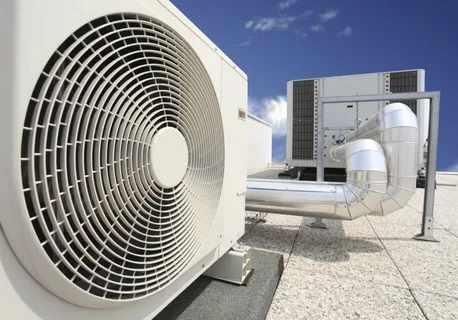 Breathable Warmth: Exploring Fresh Air Heater For Your Space
In the panorama of indoor air quality enhancement, fresh air heater present a harmonious solution to maintaining warmth without compromising the fresh, clean air influx. These innovative devices, integral to advancing heating technologies, embody the fusion of ventilation with heating systems. Fresh air heaters draw cold air from the exterior, pass it through a heating element, and release warmed, purified air into the indoor environment. This process ensures that indoor spaces remain comfortably heated whilst being replenished with fresh outdoor air, a critical aspect during colder months when natural ventilation options are limited due to the need to retain warmth.
The design of fresh air heaters varies, catering to a wide range of spaces from residential homes to larger commercial premises. Some models are engineered to integrate seamlessly with existing ventilation or HVAC systems, enhancing their functionality by ensuring a constant supply of heated fresh air. Others stand alone, offering flexibility in placement and operation. A key feature of these systems is their ability to filter incoming air, removing pollutants and allergens before they circulate indoors, thereby significantly improving indoor air quality.
Mechanical Ventilation Systems: A Controlled Approach To Air Exchange
In settings where the limitations of natural ventilation are evident, mechanical ventilation systems present a methodical alternative. These assemblies employ fans and ductwork to manage air movement within indoor spaces, ensuring a consistent supply of fresh air. Diverse in their design, these systems encompass exhaust, supply, and balanced variants, each tailored to address specific air exchange requirements. Exhaust systems are adept at removing indoor air and purging stale or polluted air spaces.
Conversely, supply systems introduce fresh air from the exterior, enhancing the indoor air milieu. The balanced systems stand out for their dual-action capability, extracting air from interiors while concurrently admitting fresh external air, thus maintaining an equilibrium in air pressure. This harmonisation guarantees the efficiency of air exchange and its effectiveness, underscoring the controlled and versatile nature of mechanical ventilation as a cornerstone in maintaining superior indoor air quality in environments where natural means fall short.
Optimize Indoor Air Quality: Exploring Air Ventilation Units
In the pursuit of enhancing indoor air quality, the exploration of air ventilation units emerges as a pivotal consideration. These units, engineered to refine the air within indoor spaces, operate by meticulously filtering out pollutants, allergens, and other particulate matter that can compromise health and comfort. The variety within this domain is extensive, encompassing standalone air purifiers, integrated HVAC systems with advanced filtration capabilities, and energy recovery ventilators that efficiently manage air exchange while minimising energy loss.
Each system offers a bespoke solution tailored to the unique requirements of a space, whether it be a residential home, commercial establishment, or industrial setting. The choice of an appropriate air ventilation unit is guided by several factors, including the volume of air to be processed, the specific contaminants present, and the system’s energy efficiency. Moreover, integrating smart technology in these units facilitates real-time monitoring and control of indoor air quality, ensuring that it remains within the optimal parameters for human health. This exploration underscores the critical role of air ventilation units in the broader strategy to optimise indoor air environments, highlighting their indispensability in the quest for purity of the air that envelops us indoors.
Balancing Humidity Levels For Optimal Comfort And Health
The equilibrium of humidity levels within indoor environments plays a crucial role in enhancing comfort and fostering health. An excess of moisture in the air can precipitate a host of undesirable conditions, from the proliferation of mould and mildew to an increase in dust mites, each posing significant health risks. Conversely, too dry air can lead to respiratory discomfort and irritations of the skin and eyes and exacerbate allergies and asthma. Therefore, maintaining humidity levels within an optimal range—generally between 30% and 50%—is essential.
Technological advancements in ventilation and air conditioning systems have paved the way for sophisticated solutions to humidity control. These systems are designed to regulate moisture levels by adding humidity through humidifiers or removing excess moisture using dehumidifiers, thereby sustaining an environment conducive to health and comfort. It is worth noting that the effectiveness of these solutions is greatly enhanced by their integration into comprehensive ventilation strategies that also consider air quality and temperature control. In addition, certain plants have been identified for their natural ability to regulate humidity, purifying the air while adding or absorbing moisture.
Balanced Airflow For Comfort: Balanced Ventilation Systems
In the contemporary discourse on indoor air quality, balanced ventilation system has emerged as a quintessential solution for maintaining a harmonious indoor climate. These systems epitomise the principle of equilibrium in air exchange, simultaneously expelling stale indoor air whilst drawing in fresh outdoor air in equal measure. The inherent design of balanced ventilation ensures that fresh air’s ingress perfectly counterbalances the exhaust air’s egress, thereby averting any pressure imbalances within the indoor space. This equilibrium is instrumental in preventing draughts and ensuring a consistent and comfortable indoor temperature throughout the year.
Significantly, balanced ventilation systems incorporate filters in the incoming and outgoing air streams, which play a critical role in purifying the air of pollutants and allergens before entering the living space. Furthermore, the potential integration of heat or energy recovery units within these systems enhances their efficiency by recovering energy from the extracted air and using it to temper the incoming fresh air. This feature is particularly beneficial in reducing heating and cooling demands, thereby contributing to the energy efficiency of the building. Through the judicious application of balanced ventilation, indoor environments can achieve optimal comfort and health, substantiating the critical role these systems play in modern ventilation strategies.
Optimizing Workspaces: Industrial Ventilation Solutions Explained
In industrial settings, tailored ventilation solutions are necessary to ensure a conducive working environment. Industrial ventilation encompasses systems designed to handle the complexity and scale of air quality challenges in such spaces. These include removing pollutants, controlling hazardous substances, and providing fresh air to maintain optimal working conditions. Industrial-ventilation systems are categorised into two primary types: dilution and local exhaust. Dilution ventilation works by dispersing pollutants within the air, thereby reducing their concentration to safer levels. This method is effective for managing low to moderate levels of pollutants.
On the other hand, local exhaust ventilation targets the source of pollutants, capturing them at their point of generation and expelling them outside the workspace. This approach is particularly beneficial for controlling high levels of hazardous substances. The design and implementation of these systems demand a nuanced understanding of the industrial processes involved, ensuring that the chosen solution addresses current air quality concerns and remains adaptable to future needs. The strategic application of industrial-ventilation is crucial in safeguarding worker health and enhancing productivity by maintaining superior air quality standards.
The Impact Of Building Design On Ventilation And Air Quality
The architectural blueprint of a structure plays a pivotal role in dictating its ventilation capabilities and, by extension, the air quality within its confines. Ingenious design choices, such as the incorporation of operable windows, strategic placement of atria, and the utilisation of ventilation shafts, greatly augment natural airflow. When astutely integrated, these elements foster the exchange of stale indoor air for fresh outdoor air, thereby enhancing air circulation without relying on mechanical means. The orientation of a building, alongside the materials selected and the insulation techniques employed, further influences the thermal comfort and air movement patterns within.
Such considerations are critical in ensuring that the tower serves its functional and aesthetic purposes and contributes positively to the health and well-being of its occupants by promoting superior air quality. The incorporation of these design principles from the onset underscores the significance of a holistic approach to building design that harmonises architectural aesthetics with environmental health considerations.
FAQs
What Differentiates Mechanical Ventilation From Natural Ventilation?
Mechanical ventilation involves using fans and duct systems to control air movement and quality within indoor spaces, offering a consistent and controlled air exchange that is not reliant on natural forces. In contrast, natural ventilation depends on passive airflow through windows, doors, and other openings, driven by wind and thermal buoyancy, without mechanical aids.
Can Air Ventilation Filter Out All Indoor Pollutants?
Whilst Air Ventilation, especially those with advanced filtration capabilities, significantly reduce the presence of pollutants, allergens, and particulate matter, they may not eliminate all contaminants. The effectiveness of pollutant removal depends on the system’s design, the filters’ quality, and regular maintenance practices.
How Does Balanced Ventilation Contribute To Energy Efficiency?
Balanced ventilation systems, often integrated with heat recovery or energy recovery units, mitigate energy loss by warming incoming fresh air with heat from outgoing stale air. This process reduces the energy demands for heating and cooling, contributing to the overall energy efficiency of the building.
What Role Does Building Design Play In Effective Ventilation?
The design of a building significantly influences its ventilation capabilities. Strategic architectural decisions, such as placing windows, atria, and ventilation shafts, can enhance natural airflow and circulation, promoting better air quality without solely relying on mechanical systems.
Conclusion
In summarizing the exploration into the vital sphere of ventilation and its quintessential role in enhancing indoor air quality, it becomes evident that a multifaceted approach is paramount. This journey through the various realms of natural and mechanical ventilation systems, alongside integrating fresh air heaters, air ventilation, and balanced airflow mechanisms, illuminates the path towards achieving optimal indoor environments.
| Other Good Articles to Read |
| Blogs-Nation |
| Blogs-Peoples |
| Bryan Smith Blogs |
| Intellect Blogs |
| The Fault In Our Blogs |
| Blogs Eu |
| Oz Forums |
| Recruitment Blogs |
| Zet Blogs |
| Id Blogs |
| Blogs Tudiolegale |
| Blogs Map |
| Related Business Listings |
| Contact Directory |
| Local Business Profiles |